
Why Case Studies Still Win in B2B Marketing (and How to Write a Great One)
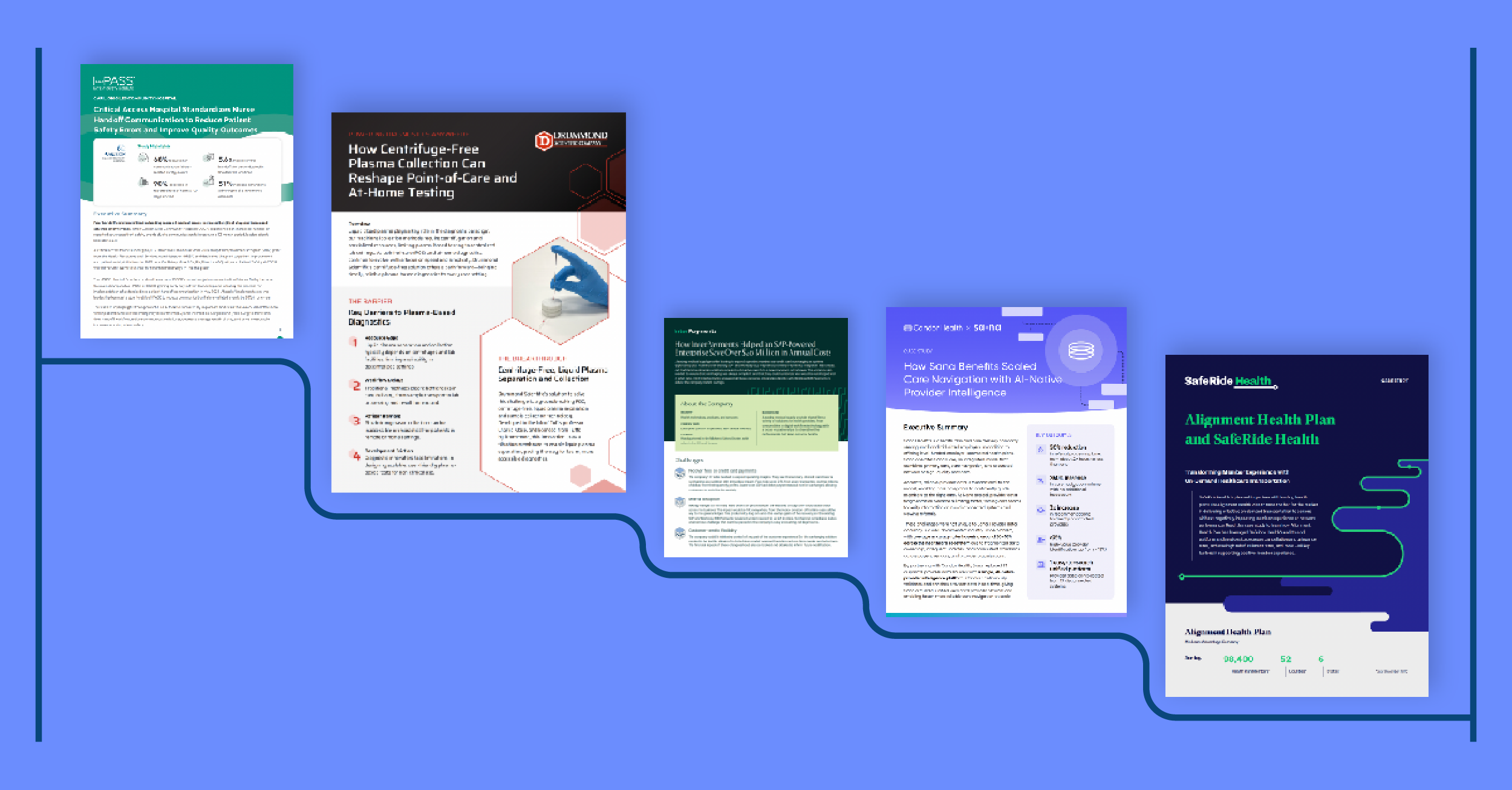
The case study is one of the most misunderstood assets in B2B marketing. Too often, it’s treated as a formality or a sales leave-behind rather than the credibility engine it’s meant to be.
A strong case study does something few other assets can. It reveals the work behind the results and the challenges along the way, and it connects what you say you do with what you’ve actually done. In other words, it walks the walk and talks the talk.
The catch? Not all case studies are created equal. Without a clear framework, even strong stories can fall flat. When a case study prioritizes polish over substance or promotion over insight, it quickly loses its impact.
Why Case Studies Still Work
Buyers Trust Stories More Than Claims
B2B buyers are trained skeptics—and not without reason. Many have been burned by big promises that didn’t hold up in practice. After years of polished demos, ambitious road maps, and “best-in-class” claims, they’ve learned to approach new solutions with caution. To move forward, they need proof.
And that’s where a quality case study earns its keep. Instead of telling prospects how great you are, it shows them. A case study provides a detailed examination of a specific client experience, demonstrating how you helped an organization navigate a challenge and what changed as a result. In doing so, it shows your audience that you understand their world and know how to solve their problems because you’ve done it before.
That outside validation builds trust faster than any feature list ever could, grounding your value in real-world results.
They Lower the Risk of Saying Yes
B2B purchases aren’t impulse decisions. They unfold over time, across multiple conversations and stakeholders. At every stage, buyers are looking to reduce uncertainty and justify ROI. When used strategically, a case study does both. It builds credibility around your solution and helps buyers understand:
- What the process actually looked like
- What obstacles came up along the way
- How long it took to see the impact
- Whether the results were worth the effort
That level of transparency helps buyers feel more confident, better informed, and more prepared to defend their choice internally. It also allows them to see themselves in the story and imagine what success could look like for their own team.
They Pull Double Duty for Sales and Marketing
A good case study acts as a bridge between marketing and sales. Marketing uses it to build credibility and nurture leads. Sales uses it to anchor conversations and handle objections. When both teams are telling the same story with the same proof, it creates consistency buyers can feel.
Why So Many Case Studies Miss the Mark
If case studies are so effective, why do so many fall flat? Usually, it’s because they try to do too much or focus on the wrong things.
Common pitfalls include:
- Leading with the solution instead of the problem
- Turning the case study into a product demo
- Listing metrics without context
- Avoiding tension to keep everything “positive”
The result is something technically accurate but emotionally forgettable. Great case studies don’t just document success; they tell a story of change.
A Simple Framework for Writing a Case Study That Works
At Hencove, we approach case studies as narrative assets, not just proof points. The strongest ones follow a clear, buyer-first structure.
1. Start with the Problem
Open with the challenge, not the client bio.
What wasn’t working?
Why did it matter?
What was at risk if nothing changed?
Specificity is your friend here. A problem that feels real makes the reader lean in and think, “Yep, that sounds like us.”
2. Add Context and Constraints
This is where credibility is built.
Address the limitations the client was dealing with. Whether it’s time, budget, internal buy-in, or technical complexity, real constraints make the story believable and the outcome more impressive.
3. Show How the Decision Was Made
Buyers care just as much about how a decision was made as about what that decision actually was. They want to know what the stakes were and whether a solution like yours could work for a situation like theirs.
What options were on the table?
What criteria mattered most?
What tipped the scale?
By answering these questions, you help future buyers see themselves in the evaluation process and build confidence that the choice wasn’t arbitrary.
4. Focus on Meaningful Outcomes (Not Just Numbers)
Yes, metrics matter. But numbers without context don’t tell a story. Strong case studies connect the dots between:
- What changed day to day
- How teams worked differently
- What those improvements unlocked
Explain why the results mattered—not just that they happened.
5. End with What’s Next
The best case studies don’t just end with a victory. They set the stage for an ongoing partnership, showing how you not only solved the problem but also planted the seeds for continued growth.
Close by showing where the client is headed next and how the work continues to evolve. This reinforces long-term value and positions the partnership as ongoing, not simply one-and-done.
What Sets Great Case Studies Apart
The case studies that get it right share a few traits:
- They center the buyer, not the brand.
- They embrace nuance instead of glossing over it.
- They prioritize clarity over completeness.
- They read like a story, not a report.
Most importantly, a great case study respects the reader. It doesn’t oversell, and it lets the work speak for itself.
The Bottom Line
In a content landscape that’s more crowded than ever, credibility is still the hardest thing to earn. Case studies continue to win because they combine proof, relatability, and narrative—but only when they’re treated as strategic storytelling tools rather than checkbox content.
If you’re going to invest in a case study, make it human. Make it honest. And make it useful for the buyer trying to decide what to do next.